The voice is fair
A research and development partnership to promote gender equity in classroom discourse.

Classroom discourse is often characterized by gender biases that shape students’ learning experiences and identity development. These biases are reflected, among other things, in lower participation rates among girls and in differences in how students gain the floor: boys are more likely to speak out, while girls tend to raise their hands or wait to be addressed directly by the teacher.
Teachers’ expectations regarding emotional expression may also differ by gender. Girls are expected to demonstrate emotional intelligence and to express and explain their feelings, whereas boys are not held to the same expectations. In many cases, these biases remain invisible to educational staff.
Intervention studies designed to address these biases have succeeded to some extent in changing teachers’ attitudes. However, everyday gender biases in classroom discourse have remained largely unchanged.
To address this challenge, the Center for the Study of Pedagogy—Academia–Field Partnerships and the Center for Gender Equity in Education formed a research and development partnership to advance gender equity in classroom discourse.
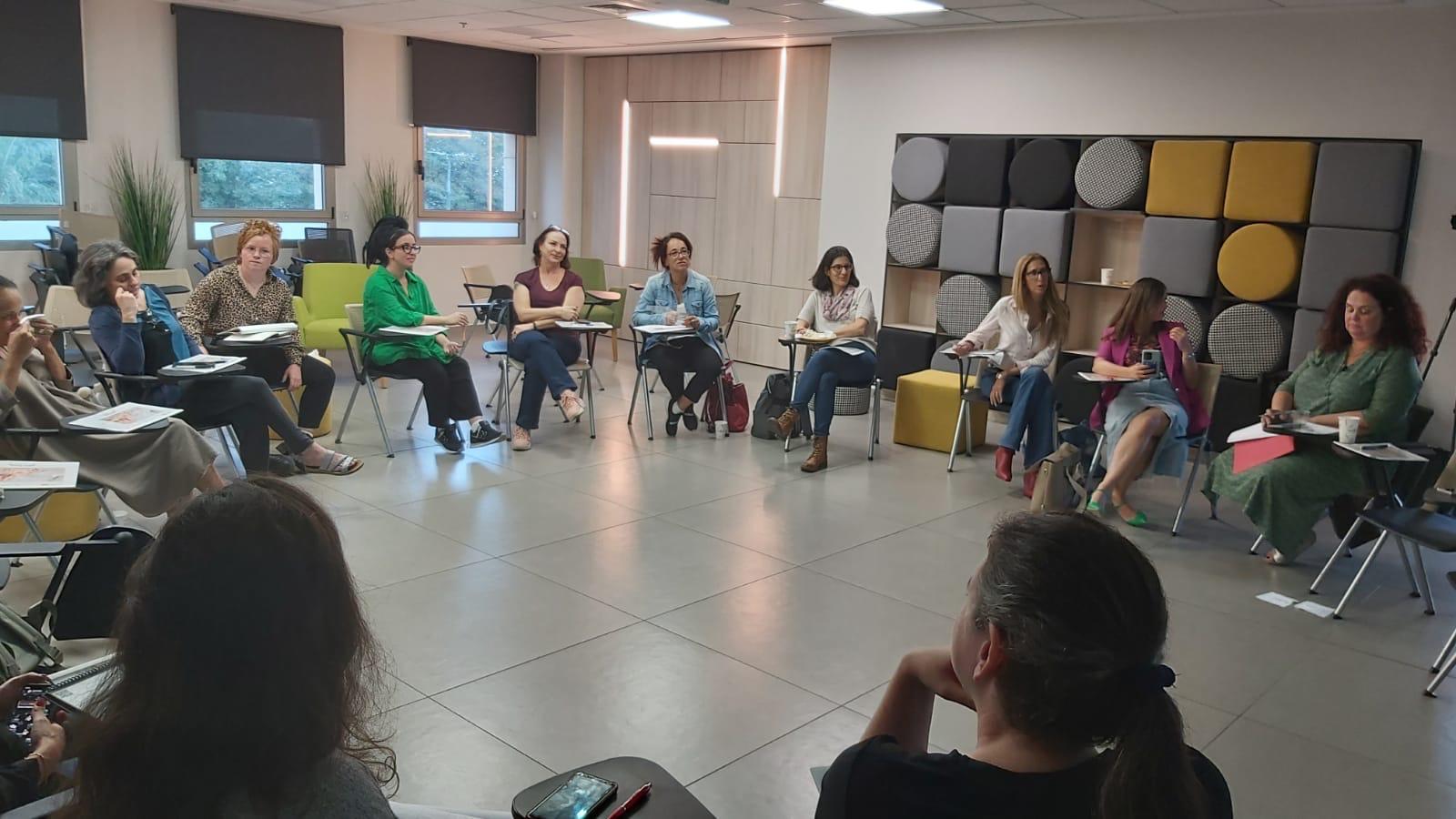
The partnership involved a research and development process in which teachers, instructional coaches, and a researcher worked together to develop pedagogical tools and practices for promoting gender equity in classroom discourse.
The development team designed, tested, and refined these tools and practices through group meetings and classroom implementation. The research documented interactions during the development team’s meetings, classroom trials, students’ learning outcomes, and interviews with teachers and students.
Pedagogical Director, Institute for Gender Equity in Education
The Hebrew University of Jerusalem
Tel Aviv District Instructor, Gender Equality Unit, Ministry of Education
Executive Director, Institute for Gender Equity in Education
Doctoral Candidate at the Hebrew University of Jerusalem