Developing Professional Knowledge
For Pedagogical Instructors
Fostering and building professional knowledge and a development community for pedagogical instructors.

The training period of preservice teachers is highly influential in shaping the beliefs and skills they will carry into their future careers. One of the most important figures during this period is the pedagogical instructor, also referred to as a leader of pedagogical academies.
Their work is complex and multifaceted. It involves connecting the theoretical knowledge taught in academic teacher-education institutions with the practical knowledge acquired through field experience, supporting preservice teachers through challenges and significant events, and helping them process and learn from their teaching experiences.
Pedagogical instructors are expected to demonstrate expertise across a broad range of areas—from the subjects taught in schools and methods of teaching diverse students to the tools required for effectively training and mentoring future teachers.
Despite their critical role, there is no formal or mandatory training pathway for pedagogical instructors. Although some institutions provide preparation for the role, many instructors receive insufficient recognition, ongoing professional learning, or support in their work.
To establish and advance the professional knowledge of pedagogical instructors and create a framework for ongoing professional learning, a partnership was formed between the Research and Development Unit for Clinical Teacher Education–Academia Class at the MOFET Institute, David Yellin Academic College of Education, the Hebrew University of Jerusalem, and the Center for the Study of Pedagogy.
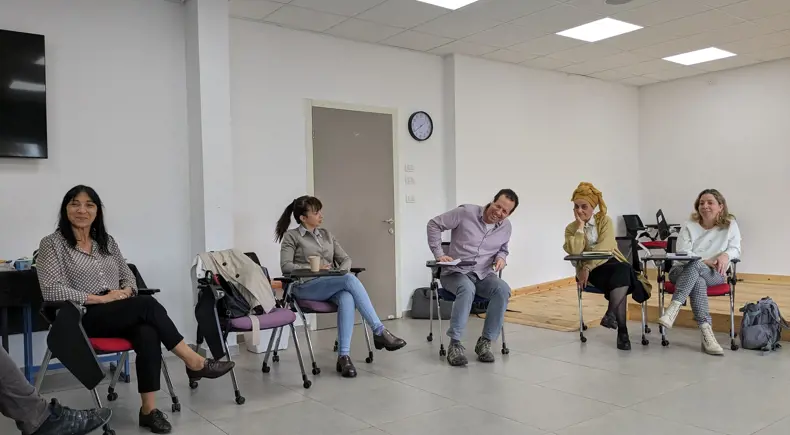
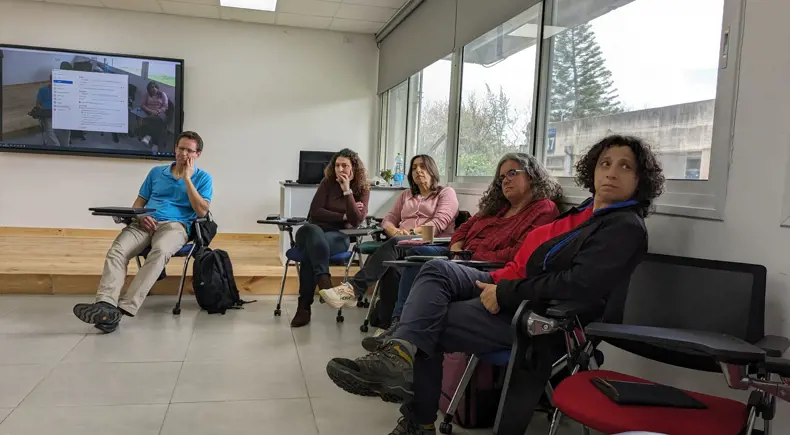
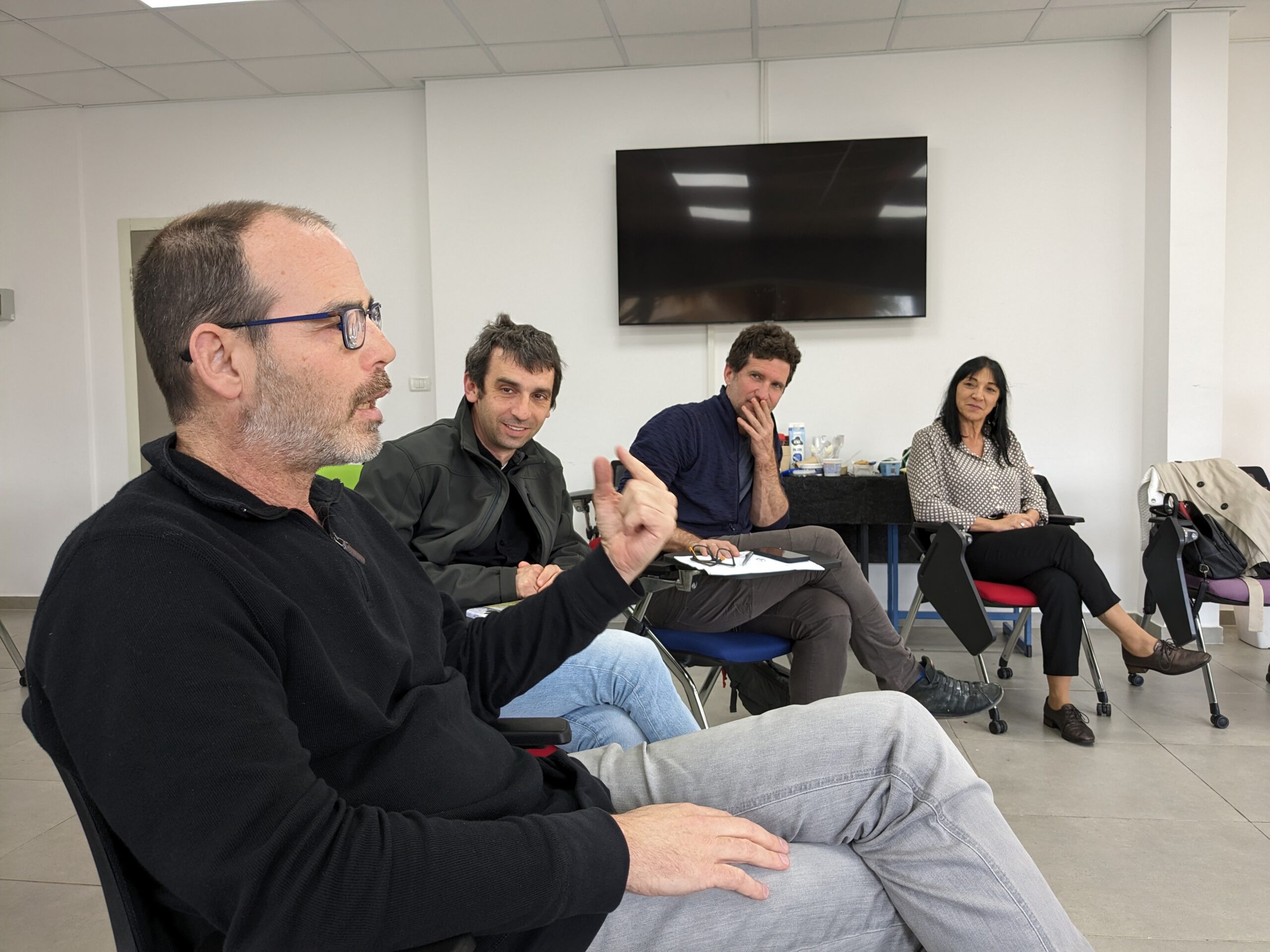
As part of the partnership, a development community was established involving pedagogical instructors from colleges throughout Israel, facilitators, and researchers. The community studied principles of practice-based inquiry while examining the core practices of pedagogical instruction.
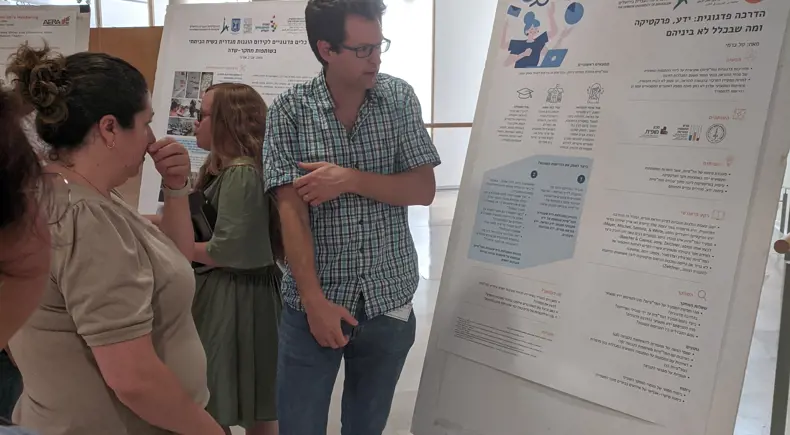
During the next stage of the project, the participating pedagogical instructors led professional learning communities at their respective colleges.
The document includes: theoretical background, a mentoring framework, guidance on working with representations, and an activity to foster collaboration between the mentor and the supervising teacher.
How can we foster effective communication between an academic-pedagogical leader and a student when the student is resistant? This tool addresses that issue and is designed for team meetings of academic-pedagogical leaders working across various teacher training settings. It includes a representation-based facilitation framework and a brief theoretical overview of effective communication.
How can we spur a teacher trainee who is failing to meet her goals into action? How can we foster her motivation? This tool is designed for academic-pedagogical leadership teams addressing this issue and proposes a process based on the exploration of representations. It includes a facilitation outline for a session, theoretical background on motivation among teacher trainees, and a motivation taxonomy table based on Self-Determination Theory (SDT).
How is the division of labor between them managed? How can they—both jointly and individually—address situations where student teachers fail to meet their professional training obligations? Is there—or should there be—a clearly defined division of roles between the pedagogical supervisor and the mentor teacher? What are the role definitions for the pedagogical supervisor and the mentor teacher? The representation at the heart of this tool offers a glimpse into the collaborative management shared by the academic-pedagogical leader and the mentor teacher. The tool includes a meeting facilitation outline and brief theoretical background regarding the "mentoring triangle."
Fostering an inclusive environment through pedagogical mentors can create a sense of belonging and acceptance among students (Gay, 2010). This process entails ongoing appreciation alongside a genuine acceptance of diverse perspectives, backgrounds, and experiences; when students feel included, they are more likely to engage actively in learning, share their thoughts and concerns openly, and develop a sense of ownership and personal responsibility for their educational journey.
Director of the Clinical Teacher Education R&D Team–Academia Class, the MOFET Institute
The Hebrew University of Jerusalem
Faculty Member, David Yellin Academic College of Education
Member of the Clinical Teacher Education R&D Team–Academia Class, the MOFET Institute
The Hebrew University of Jerusalem
Vice President for Academic Affairs, David Yellin Academic College of Education
Member of the Clinical Teacher Education R&D Team–Academia Class, the MOFET Institute
Member of the Clinical Teacher Education R&D Team–Academia Class, the MOFET Institute
Dr. Yasmin Viler, Hila Levi, Hana Abu Shah
Dr. Limor Reuach, Dr. Efrat Luzzatto, Dr. Dafna Fono, Dr. Ella Luria
Nasreen Morcos, Dr. Maayan Shalev, Dr. Yael Shani, Pazit Levi
Yasmin Abu Mokh, Dr. Adel Shakour, Suzan Abu Mokh, Lina Ghanayem Abu Toameh
Tzala Shai-Avitan, Basma Halabi, Revital Peleg-Yitzhaki